You're looking to sell, or just want your home to be worth more. Many homeowners believe major renovations are the only way to significantly increase property value. That's not always true. You can add thousands of dollars to your home's market price with smart, targeted DIY projects, often for less than $1,500 each.
Quick answer: Focus on minor kitchen and bathroom updates, enhance curb appeal with landscaping, improve energy efficiency, and refresh paint. These projects consistently deliver the highest return on investment, frequently returning 70% or more of your initial cost.
Kitchen Refresh: Maximize Your ROI
Don't rip out your entire kitchen. A full kitchen remodel averages $28,000 to $45,000, and you'll rarely get that money back. Instead, target minor cosmetic upgrades. We're talking new cabinet hardware, a fresh coat of paint on existing cabinets, and updated lighting fixtures. These small changes make a huge difference. For example, replacing old cabinet pulls and knobs costs around $100-$300 for a typical kitchen with 20-30 pieces. You'll find a wide selection at Home Depot or Lowe's.
Consider installing a new kitchen faucet. A brushed nickel or matte black faucet can cost $80-$250 and dramatically updates the sink area. If your countertops are dated but still functional, try a countertop resurfacing kit, which often runs $150-$200. It's a weekend project, and it won't require professional installation. Minor kitchen remodels can recoup up to 77% of their cost at resale. That's a strong return.
Bathroom Updates: Small Changes, Big Impact
Like kitchens, bathrooms don't always need a complete overhaul to add value. Buyers want clean, functional, and modern-looking bathrooms. Start with regrouting old tile. A grout saw and new grout costs less than $50. You'd be surprised how much brighter a bathroom looks with clean grout lines. Replacing a worn-out vanity can also provide a significant visual upgrade. You can find pre-assembled vanities with tops for $300-$700 at stores like Wayfair or IKEA. These typically include the sink and offer styles that appeal to most buyers.
Another quick win is updating light fixtures and mirrors. An outdated light bar above the mirror can be swapped for a modern LED fixture for $50-$150. A framed mirror, costing $40-$100, replaces a plain, builder-grade one, giving the room a more finished look. Don't forget the caulk. Re-caulking around the tub, shower, and sink creates a crisp, clean seal that buyers notice. Learn more about proper sealing techniques in our guide to a-beginners-guide-to-caulking-and-sealing-at-home. These small projects, typically done over a weekend, can collectively add 5% to your home's perceived value.
Curb Appeal: First Impressions Count
The exterior of your home is the first thing potential buyers see, and it sets expectations for the interior. Good curb appeal can increase your home's value by 7-14%. Start by power washing your home's exterior, driveway, and walkways. You can rent a power washer for about $40-$70 per day. It's a simple task that removes years of grime.
Next, focus on landscaping. Trim overgrown bushes, prune trees, and plant colorful flowers or shrubs. A few bags of mulch, costing $3-$5 per bag, can instantly refresh garden beds. Don't underestimate the impact of a fresh coat of paint on your front door. A gallon of exterior paint costs around $40-$60, and a bold color can make your entrance pop. Replacing old, tarnished house numbers or a mailbox for $20-$50 also adds a touch of sophistication. It's a small investment with a substantial payoff.
Energy Efficiency: Modernize for Savings
Buyers are increasingly looking for homes that offer lower utility bills. Improving energy efficiency doesn't require solar panels or new windows. Start with simple upgrades. Seal air leaks around windows and doors with caulk and weatherstripping. A tube of caulk costs $4-$7, and a roll of weatherstripping is about $10-$20. These small fixes prevent significant heat loss in winter and heat gain in summer, potentially cutting your energy bill by 10-15%.
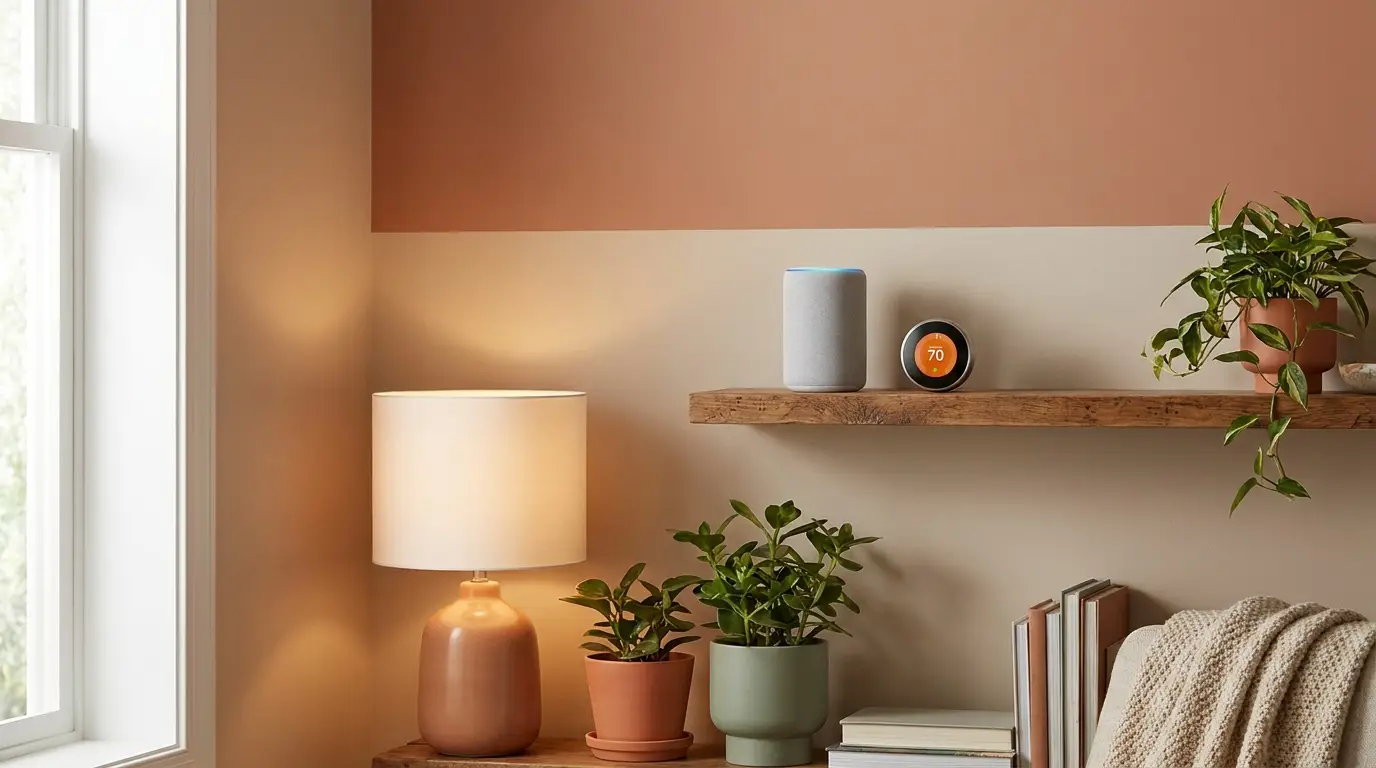
Upgrade to LED lighting throughout your home. A single LED bulb uses up to 80% less energy than an incandescent bulb and lasts 25 times longer. A 6-pack of LED bulbs costs around $15-$25. Replacing an old thermostat with a smart thermostat, like a Google Nest or Ecobee, costs $100-$250 and offers remote control and energy-saving schedules. These devices can save you 10-12% on heating and 15% on cooling. This Old House suggests that proper home insulation can return up to 83% of its cost. Learn more about maximizing your home's thermal performance in our guide to a-beginners-guide-to-home-insulation.
Paint Refresh: The Cheapest Major Impact
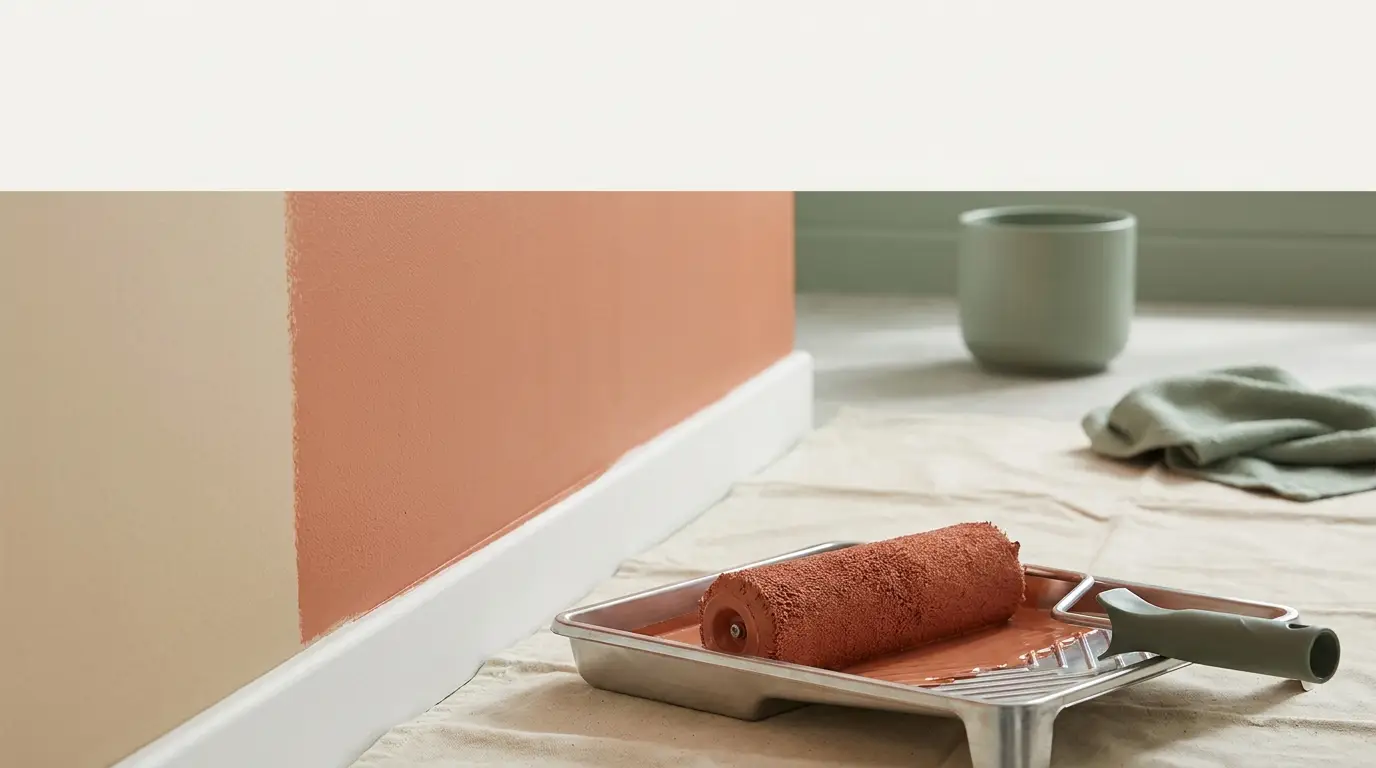
A fresh coat of paint is perhaps the single most cost-effective way to update your home's interior and exterior. It instantly brightens rooms, covers imperfections, and neutralizes personal color choices that might deter buyers. Stick to neutral colors like off-whites, light grays, or subtle beiges. These colors appeal to the widest audience and allow buyers to envision their own decor.
A gallon of good quality interior paint costs $30-$60, and you'll typically need 5-10 gallons for an average-sized home. That's a total material cost of $150-$600. Hiring a professional painter can cost $3,000-$7,000 for an entire interior, but doing it yourself saves that labor cost. This project alone can increase your home's perceived value by 1-3%. A well-painted home suggests it's been cared for, which is a significant factor for buyers.
Top DIY Value-Adding Projects Comparison
| Project Category | Estimated DIY Cost | Estimated Value Added (ROI) | Time Commitment | Key Tasks | | :-------------------- | :----------------- | :-------------------------- | :-------------- | :-------------------------------------- | | Minor Kitchen Refresh | $500 - $1,500 | 70-80% | 1-3 weekends | Paint cabinets, new hardware, faucet | | Bathroom Updates | $300 - $1,000 | 60-75% | 1-2 weekends | Regrout, new vanity, lights, mirror | | Curb Appeal | $200 - $700 | 7-14% of home value | 1-2 weekends | Power wash, landscaping, door paint | | Energy Efficiency | $100 - $400 | 50-70% (utility savings) | 1-2 days | Caulk leaks, LED lights, smart thermostat | | Interior Paint | $150 - $600 | 1-3% of home value | 2-4 weekends | Fresh neutral paint on walls and trim |
Verdict: Which Projects Should You Prioritize?
For maximum impact with minimal investment, prioritize projects that enhance perceived cleanliness, modernity, and efficiency. Minor kitchen and bathroom updates offer the highest direct financial return, often recouping 70% or more of your investment. Curb appeal projects, like a fresh front door and basic landscaping, provide an excellent first impression and can add 7% to 14% to your home's total value. Don't skip the paint. It's the cheapest way to make a big change. If you're on a tight budget, focus on painting, cleaning, and decluttering first. These cost very little but create a welcoming environment.
FAQ
What are the cheapest DIY projects that still add value?
The cheapest projects that add value include painting interior walls, refreshing grout lines in bathrooms, updating light fixtures, and enhancing curb appeal with basic landscaping. These projects typically cost less than $100-$300 each in materials and can make a noticeable difference to potential buyers. A fresh coat of neutral paint can change a room's feel for under $50 per gallon.
How much value can new light fixtures add to a home?
Updated light fixtures can add significant perceived value. While there isn't a precise dollar figure, modern, energy-efficient LED fixtures make a home feel more contemporary and brighter. Replacing 10-15 old fixtures can cost $200-$500 in materials. It's a small investment that improves aesthetics and energy efficiency, both appealing to buyers.
Should I tackle major renovations myself to save money?
No, major renovations like structural changes, extensive plumbing, or electrical work aren't good DIY projects unless you're a licensed professional. Mistakes can be costly, unsafe, and may not pass inspection, potentially decreasing your home's value or making it unsellable. Focus on cosmetic updates that don't require specialized permits or advanced trade skills.