Quick answer: You can significantly update your home on a budget with projects like painting, updating light fixtures, and installing new hardware. Many of these cost less than $500 and take just a weekend to complete, offering a strong return on your time and money. Focus on high-impact areas like kitchens, bathrooms, and entryways for the best visual change.
Updating your home doesn't require a massive budget or weeks of work. In fact, some of the most impactful changes are also the most affordable. You'll find that small projects can make a big difference, especially when you focus on areas guests see most often. We've compiled 10 effective DIY projects that often cost under $500 and can be finished in a weekend or two. These aren't just cosmetic fixes; they're smart investments that improve your home's appeal and functionality.
High-Impact Projects Under $500
You don't need to spend thousands to refresh your living space. Consider starting with painting, which remains one of the most cost-effective upgrades. A fresh coat of neutral paint can brighten rooms and make them feel larger, costing around $100-$300 for an average 12x12 foot room, including primer and paint. Don't forget the trim; crisp white trim dramatically enhances wall colors. You'll want to use high-quality painter's tape, like FrogTape, for clean lines, and ensure you're using the right roller nap for your wall texture.
Another simple yet effective change involves updating old light fixtures. Swapping out an outdated chandelier or ceiling light with a modern LED fixture can instantly change a room's aesthetic. You'll find stylish options at hardware stores or online retailers for $50-$200 each. It's a project that usually takes less than an hour per fixture once you've turned off the power at the breaker box. For details on electrical safety, check out our guide on basic electrical wiring.
Replacing cabinet hardware in your kitchen or bathroom is another quick win. New knobs and pulls can make old cabinets look custom and expensive. A set of 20 new pulls can cost anywhere from $30-$150, depending on the finish and style. You'll need a drill and maybe a template for consistent placement. It's an easy afternoon project that dramatically updates the entire room's feel.
| Project | Estimated Cost | Time Commitment | Impact Level | Best For | | :------------------------ | :------------- | :-------------- | :----------- | :------------------------------------------ | | Interior Painting (1 room) | $100 - $300 | 1-2 days | High | Brightening, modernizing, increasing appeal | | Update Light Fixtures | $50 - $200 | 1-2 hours/fixture | Medium | Instant style upgrade, improved lighting | | Replace Cabinet Hardware | $30 - $150 | 2-4 hours | Medium | Modernizing kitchens/bathrooms | | Install a Smart Thermostat| $150 - $300 | 1 hour | High | Energy savings, modern convenience | | Add Crown Molding | $150 - $400 | 1-2 days | Medium | Adding architectural detail, elegance | | Refresh Bathroom Caulk | $10 - $30 | 1-2 hours | Low | Preventing leaks, improving appearance |
Weekend Projects for Instant Gratification
Many DIY projects offer immediate visual returns. Installing a smart thermostat, like a Google Nest or Ecobee, isn't just about modernizing; it's about saving money. These devices typically cost $150-$300 and can cut your heating and cooling bills by 10-15% annually. Installation usually takes less than an hour, and you'll find clear instructions in the box. It’s a smart upgrade that pays for itself over time.
Adding crown molding is another project that significantly enhances a room's character. While it sounds intimidating, pre-primed MDF molding is affordable, often $1-$3 per linear foot, and easier to install than traditional wood. For a 12x12 foot room, you're looking at about $150-$400 in materials. You'll need a miter saw for precise cuts, but the visual upgrade is substantial, making ceilings appear taller and rooms more refined.
Refreshing old caulk in bathrooms and kitchens is a small task with a big impact on cleanliness and water protection. Old, discolored caulk looks terrible and can lead to water damage. A tube of silicone caulk costs about $5-$10, and you can recaulk an entire bathroom in an hour or two. This Old House recommends checking your caulk annually for cracks and mildew. For tips on proper application, see our article on a beginner's guide to caulking and sealing at home.
Creative Solutions for Every Room
Consider peel-and-stick wallpaper or wall decals for an accent wall. This is a commitment-free way to introduce pattern or texture without the hassle of traditional wallpaper. You'll find rolls for $30-$60, allowing you to create a striking focal point in a bedroom or dining room for under $200. It's easy to install and even easier to remove if your tastes change. This project can be completed in an afternoon.
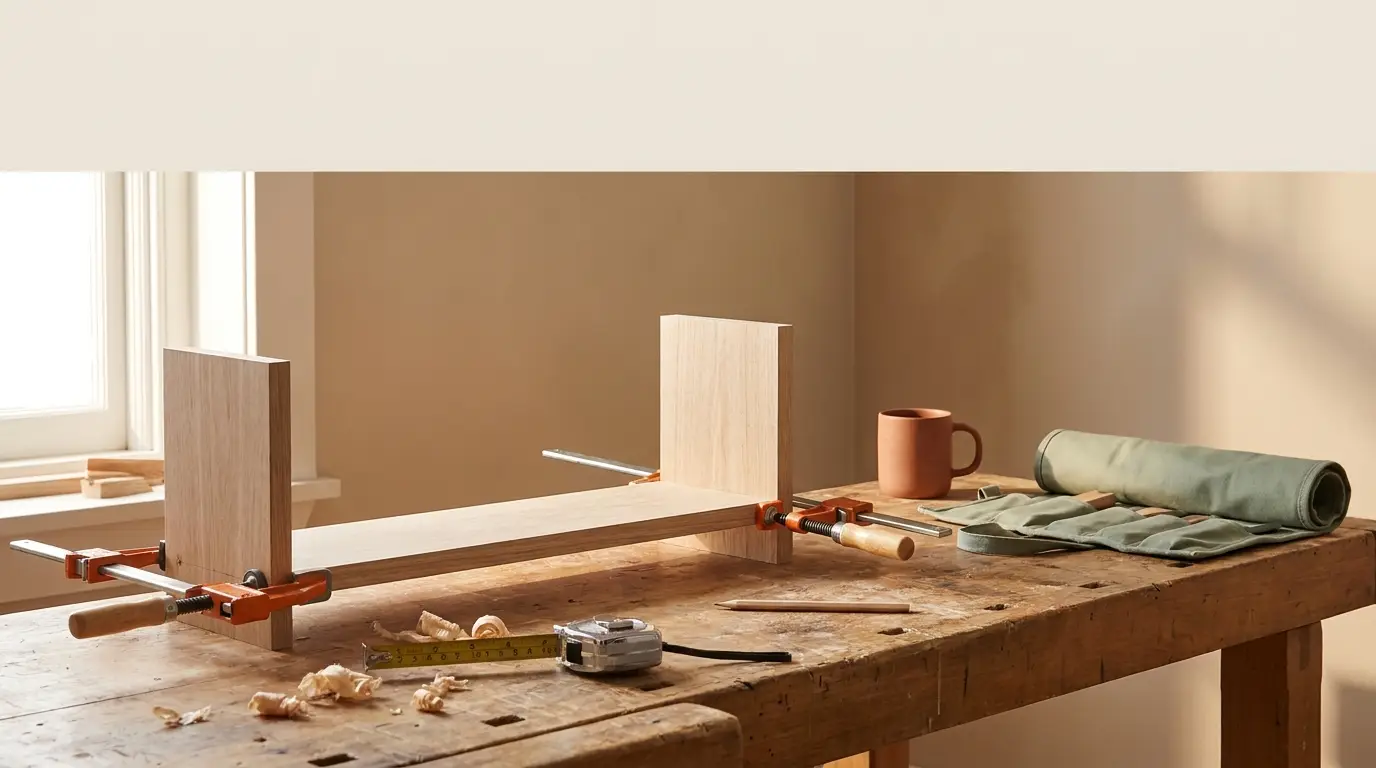
Building simple floating shelves adds storage and visual interest. These shelves are surprisingly easy to construct from plywood or MDF, costing $20-$50 per shelf for materials. Paint or stain them to match your decor. They're perfect for displaying books, plants, or decorative items in a living room or home office. You'll need a drill, level, and basic woodworking tools.
Another great project is updating your entryway. A new coat of paint on your front door, combined with new house numbers and an updated welcome mat, can dramatically improve curb appeal. Paint costs about $20-$40, and new house numbers can be found for $15-$50. This small investment creates a welcoming first impression for visitors. It's quick, and you'll see the results immediately.
When to Call a Pro
While many DIY projects are straightforward, know your limits. Electrical work beyond swapping a fixture or thermostat, especially anything involving new wiring or circuit breakers, should typically be left to a licensed electrician. They'll ensure safety and compliance with local building codes, which can save you significant costs and headaches down the road. You wouldn't want to risk an electrical fire for a $200 saving.
Plumbing repairs beyond a simple caulk refresh, like replacing a toilet or fixing a leaky pipe that requires soldering, are also best handled by a professional plumber. Incorrect plumbing can lead to expensive water damage, costing thousands of dollars to fix. If a project feels beyond your skill set or involves significant structural changes, it's always smarter to consult with or hire a professional. Their expertise can prevent costly mistakes.
Sources
- U.S. Environmental Protection Agency. "ENERGY STAR® Smart Thermostat Savings." Accessed August 1, 2026.
FAQ
What's the best DIY project for increasing home value on a budget?
Painting is often the best return. A fresh coat of neutral paint throughout your main living areas can add 2-3% to your home's value for under $300 in paint supplies. It's a noticeable upgrade that appeals to most buyers.
How much can I save by DIYing these projects versus hiring a pro?
You'll typically save 50-70% on labor costs alone by doing it yourself. For example, installing new light fixtures might cost $200-$400 per fixture for a professional, but only $50-$150 for the fixture itself if you do the work.
Are peel-and-stick wallpapers durable enough for high-traffic areas?
Most peel-and-stick wallpapers are durable for accent walls in bedrooms or living rooms. For high-moisture areas like bathrooms or high-traffic zones like entryways, look for specific vinyl options labeled "washable" or "water-resistant." They'll typically last 3-5 years without peeling.