A new kitchen faucet can completely refresh the look and feel of your kitchen, and it’s a project you can tackle yourself. Swapping out an old, leaky, or outdated faucet for a shiny new one isn't just about aesthetics, it can also improve water pressure and functionality. This guide will walk you through the process, step by step, saving you the average $150-$300 a professional plumber might charge for installation alone. For those interested in other DIY projects, checking out best-cordless-impact-wrenches-for-home-use can provide insight into useful tools for various tasks.
Before you start, make sure you have your new faucet on hand and all the necessary tools. A good quality replacement faucet can range from $75 for a basic model to over $500 for high-end options with features like touchless operation or pull-down sprayers, similar to those found in best-kitchen-faucets-with-pull-down-sprayers. Choose one that fits your sink's existing holes and your kitchen's style. Considering the overall look, you might also want to explore best-smart-lighting-systems to enhance the ambiance.
Gathering Your Tools and Supplies
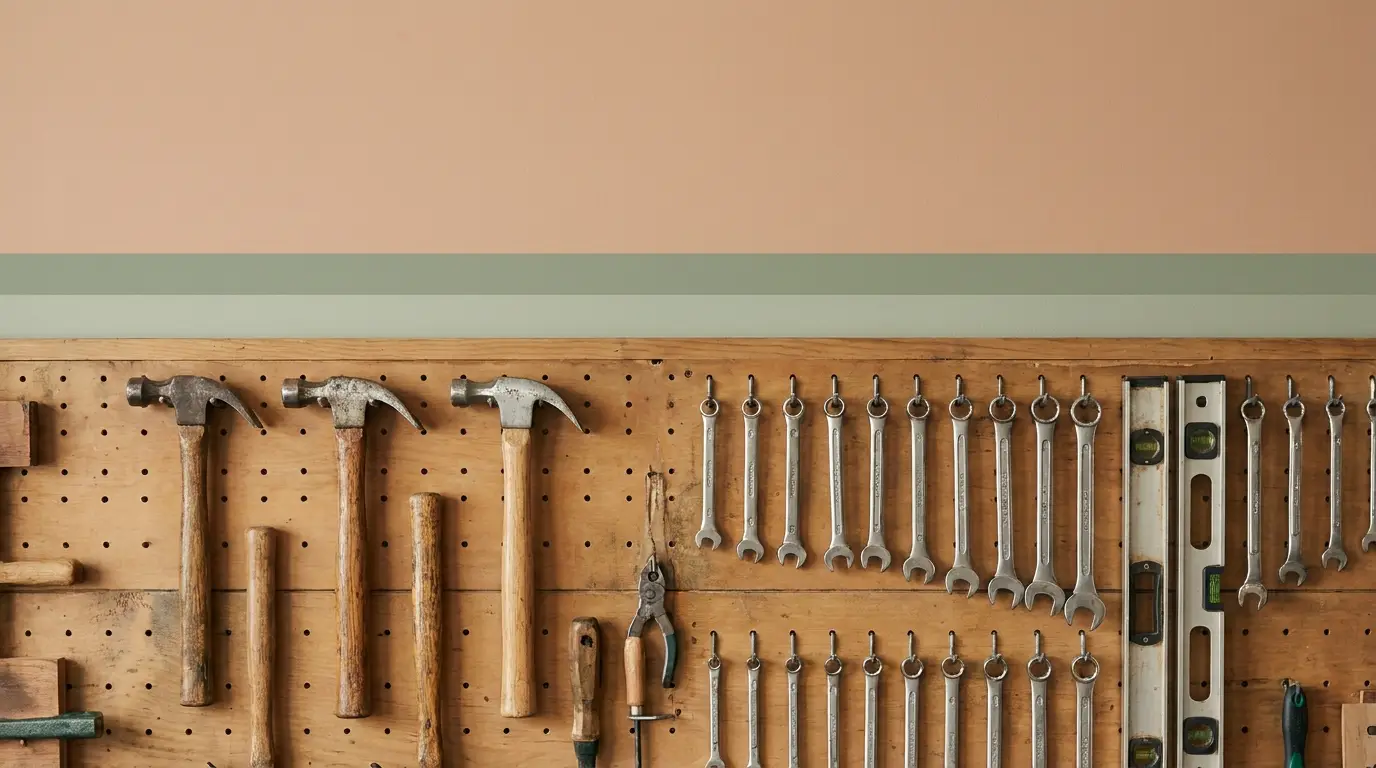
Having everything ready before you begin will make the job much smoother. Here’s what you’ll likely need:
- New faucet: Make sure it matches your sink's hole configuration.
- Adjustable wrench: For tightening supply lines and mounting nuts.
- Basin wrench: This specialized tool is a lifesaver for reaching nuts in tight spaces under the sink.
- Screwdrivers: Philips and flathead, for various fasteners.
- Utility knife: To cut away old caulk or sealant.
- Bucket and towels: To catch any residual water.
- Flashlight: It gets dark under that sink!
- Plumber's putty or silicone sealant: For sealing the faucet base.
- Safety glasses: Always protect your eyes.
- Optional: A small piece of wood and a hammer if you need to gently tap something loose.
Step-by-Step Faucet Replacement
Follow these steps carefully for a successful installation.
1. Shut Off the Water Supply
This is the most critical first step. Look under your sink for two shut-off valves, one for hot water and one for cold. Turn them clockwise until they are completely off. Then, open the old faucet to drain any remaining water from the lines and ensure the water is off. You don't want a surprise shower when you disconnect the lines.
2. Disconnect the Old Faucet
Place your bucket and towels under the sink to catch drips. Using your adjustable wrench, loosen the nuts connecting the hot and cold water supply lines to the old faucet. Be prepared for a small amount of water to spill out. Next, disconnect the spray hose (if you have one) and the lift rod for the drain stopper.
Now, you'll need the basin wrench. Look up at the underside of your sink where the faucet goes through the counter. There will be one or more large mounting nuts holding the faucet in place. Use the basin wrench to loosen and remove these nuts. Once the nuts are off, you can lift the old faucet straight up from the top of the sink. You might need to use a utility knife to carefully cut away any old caulk or sealant around the base of the faucet before it will come free.
3. Clean the Sink Surface
With the old faucet removed, take this opportunity to thoroughly clean the sink surface where the new faucet will sit. Remove any old plumber's putty, silicone, or grime. A clean surface ensures a good seal for your new faucet.
4. Install the New Faucet
Most new faucets come with installation instructions, and it's always a good idea to consult them as designs can vary slightly. Generally, you'll start by applying a thin bead of plumber's putty or silicone sealant around the base of the new faucet (or its base plate, if it has one). This creates a watertight seal.
Carefully insert the new faucet's supply lines and mounting shank(s) through the holes in your sink. From underneath, thread on the mounting nuts and hand-tighten them. Use your basin wrench to snug them down, but don't overtighten, as this can damage the sink or faucet. Connect the hot and cold water supply lines to the appropriate inlets on the new faucet, using your adjustable wrench to tighten them. Make sure these connections are secure but again, avoid overtightening. If your faucet has a sprayer or a drain stopper lift rod, connect those now according to the manufacturer's instructions. If you're also dealing with a leaky drain, consider reviewing our guide on repairing-leaky-faucet for tips on that specific task. Additionally, learning about best-cordless-power-washers-for-deck-cleaning can help with outdoor cleaning projects.
5. Test for Leaks
Once everything is connected, slowly turn the hot and cold water shut-off valves back on. Open the new faucet and let the water run for a minute or two. While the water is running, carefully inspect all connections under the sink with your flashlight. Look for any drips or wet spots. If you find a leak, gently tighten the connection until it stops. Sometimes, a slight adjustment is all that's needed.
6. Final Adjustments
Check the water flow and temperature. Ensure the handles move smoothly and the sprayer (if applicable) works correctly. Wipe down your new faucet and admire your work! You've successfully upgraded your kitchen faucet. For more DIY projects around the house, knowing how to properly use tools like those in our best-cordless-drills-diy guide can be invaluable. Exploring best-smart-home-hubs-for-seamless-integration can also provide ideas for smart home improvements.
Replacing a kitchen faucet is a rewarding DIY project that can significantly impact your kitchen's usability and appearance. With a little patience and the right tools, you can achieve professional results and save money in the process. Remember, double-check all connections for leaks before declaring the job finished.
FAQ
People also ask: How long does a kitchen faucet last under normal conditions? A kitchen faucet can last anywhere from 10 to 20 years, depending on usage and quality, with brands like Moen offering durable options.
People also ask: What's the cheapest faucet that handles hard water? The cheapest faucet handling hard water can start from around $50, with brands like Delta offering affordable options with features like water filtration.
People also ask: Can I install a faucet myself without prior experience? Yes, you can install a faucet yourself with the right tools and instructions, saving around $150-$300 on professional plumber fees, as seen in this guide.
People also ask: How often should I replace the water filter in my faucet? You should replace the water filter in your faucet every 6-12 months, depending on usage, to ensure clean water and optimal performance, as recommended by brands like Pur.
People also ask: Are touchless faucets more prone to leaks than traditional faucets? Touchless faucets can be more prone to leaks due to their complex sensors and mechanisms, but regular maintenance can prevent issues, with brands like Kohler offering reliable touchless models.