Choosing the right paint for your home isn't just about color; it's about performance and long-term impact. For decades, oil-based paints were the industry standard, prized for their hard, durable finish. However, advancements in water-based technology have dramatically shifted the landscape, offering compelling alternatives that often outperform their oil-based counterparts in specific applications, while also being significantly friendlier to the environment. For example, modern acrylic latex paints can achieve a 20-year lifespan on exterior surfaces, a feat once exclusive to oil-based enamels. You can find more information on home improvements like this in articles such as a beginner's guide to home insulation.
Understanding the fundamental differences between these two paint types is essential for any DIY enthusiast or homeowner planning a renovation. From drying times and application techniques to durability and the chemicals released into your home's air, each type presents a unique set of pros and cons. Let's break down what you need to know to make an informed decision for your next project.
Oil-Based Paints: The Traditional Workhorse
Oil-based paints, also known as alkyd paints, use natural oils (like linseed oil) or synthetic alkyd resins as their binders and mineral spirits or paint thinners as their solvents. When the solvent evaporates, the oil or alkyd resin oxidizes and hardens, forming a tough, durable film.
Pros of Oil-Based Paints:
- Exceptional Durability and Hardness: Oil paints dry to a hard, smooth finish that resists scuffs, scratches, and chips. This makes them excellent for high-traffic areas like doors, window sills, cabinets, and trim. Bob Vila often highlighted oil-based enamels for their resilience on antique furniture and detailed woodwork. If you're working on woodworking projects, consider checking out our guide on best cordless circular saws for woodworking.
- Excellent Adhesion: They stick well to a variety of surfaces, including previously painted oil-based surfaces, metal, and even some plastics, without extensive priming.
- Smooth Finish: Oil paints tend to level well, meaning brush marks and roller textures often disappear as the paint dries, leaving a glass-like finish.
- Stain Blocking: Their solid film is good at blocking stains from bleeding through, especially on older, stained wood.
Cons of Oil-Based Paints:
- High VOC Content: Volatile Organic Compounds (VOCs) are chemicals that evaporate into the air as the paint dries, contributing to air pollution and posing health risks. Oil paints typically have much higher VOC levels than water-based options, leading to strong odors that can linger for days or even weeks.
- Slower Drying Time: A single coat can take 6-8 hours to dry to the touch and up to 24 hours (or more) to cure fully. This extends project timelines significantly.
- Yellowing Over Time: Especially noticeable on white or light-colored paints, oil-based finishes tend to yellow or amber with age, particularly in areas with low light exposure.
- Difficult Cleanup: Brushes, rollers, and spills require mineral spirits or paint thinner for cleanup, which are harsh chemicals.
- Less Flexible: The hard film can become brittle over time, making it prone to cracking on surfaces that expand and contract, like exterior siding.
Water-Based Paints: The Modern Alternative
Water-based paints, often called latex or acrylic latex paints, use water as their primary solvent. The binders are typically acrylic or vinyl polymers. As the water evaporates, the polymer particles coalesce and form a continuous, flexible film.
Pros of Water-Based Paints:
- Low VOC Content: This is perhaps their biggest advantage. Water-based paints have significantly lower VOC levels, making them safer for indoor air quality and more environmentally friendly. They have minimal odor.
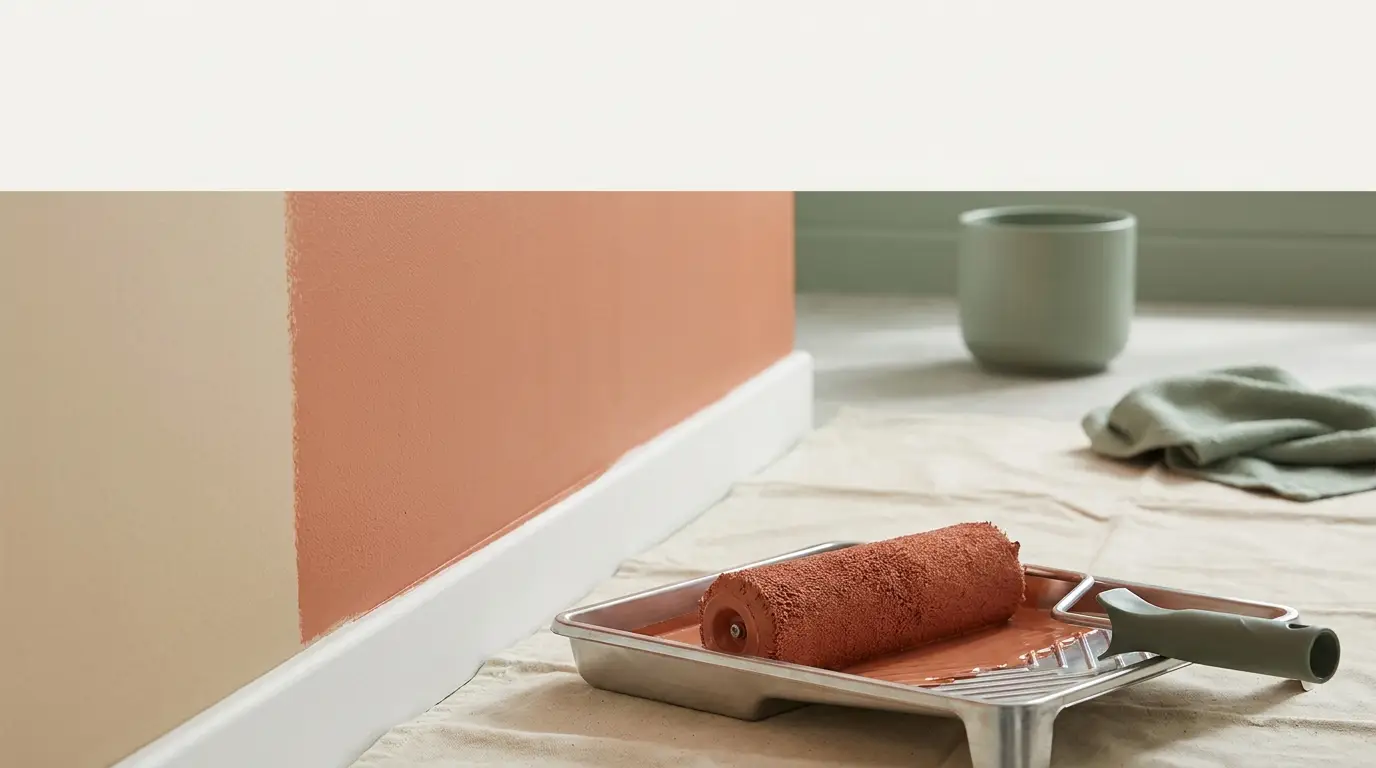
- Faster Drying Time: Most water-based paints are dry to the touch within 1-2 hours, allowing for multiple coats in a single day and faster project completion.
- Easy Cleanup: Soap and water are all you need to clean brushes, rollers, and spills.
- Color Retention: They resist yellowing and retain their color better over time, making them ideal for white and light-colored surfaces.
- Flexibility: The paint film remains flexible, making it less prone to cracking and peeling on surfaces that experience temperature fluctuations. This makes them excellent for exterior applications, as discussed by experts at This Old House. For outdoor projects, consider checking out our guide on best outdoor heaters for patios.
- Mildew Resistance: Many modern formulations include additives that resist mildew growth, a plus for bathrooms and humid environments.
Cons of Water-Based Paints:
- Less Hard Finish: While modern water-based paints have improved dramatically, they generally don't achieve the same level of hardness and chip resistance as traditional oil-based enamels, especially in their purest form.
- Less Leveling: Brush and roller marks can be more noticeable, especially with cheaper formulations or improper application techniques.
- May Raise Wood Grain: The water content can sometimes cause wood grain to swell and become rough, requiring light sanding after the first coat.
- Less Adhesion to Glossy Surfaces: They may require more extensive surface preparation (sanding and priming) when painting over glossy finishes or previously oil-painted surfaces to ensure good adhesion.
Durability and Environmental Impact: A Head-to-Head
For durability, traditional wisdom favors oil-based paints for their sheer toughness. For interior trim, doors, and cabinets that see heavy use and abuse, oil paint's hard shell still often wins for chip and scratch resistance. However, for exterior applications where flexibility is key, water-based acrylics now outshine oil paints, resisting cracking and fading for longer periods. Modern water-based paints, particularly 100% acrylic formulations, are catching up fast, offering excellent washability and scuff resistance for walls.
The environmental impact is where water-based paints pull ahead. The high VOCs in oil-based paints contribute to smog formation, can cause respiratory problems, headaches, and nausea, and are generally harmful to both human health and the planet. Water-based paints, especially those labeled "low-VOC" or "zero-VOC," drastically reduce these emissions, making them a healthier choice for your home and the environment. This is a significant factor, especially when considering indoor air quality, which can be improved by products like a good air purifier. You can learn more about improving indoor air quality in articles like Air Purifier vs. Dehumidifier. Consider also checking out our guide on best cordless impact wrenches for home use for other home improvement projects.
Choosing the Right Paint for Your Project
The best paint for your project depends on the surface, desired finish, and your priorities for durability and environmental impact.
- High-Traffic Interior Surfaces (Doors, Trim, Cabinets): If maximum chip resistance and a super smooth, hard finish are your top priorities, an oil-based enamel is still a strong contender. However, high-quality acrylic-alkyd hybrid water-based paints offer excellent durability with easier cleanup and lower VOCs.
- Walls and Ceilings: Water-based latex or acrylic paints are almost always the best choice here due to their fast drying times, easy cleanup, low odor, and excellent color retention.
- Exteriors (Siding, Trim, Decks): Modern 100% acrylic water-based paints are superior. Their flexibility resists cracking and peeling, and they maintain color better under UV exposure.
- Metal Surfaces: Oil-based paints often offer better rust inhibition, but specialized water-based rust-inhibiting primers and topcoats are also highly effective.
- Furniture and Detailed Woodwork: Oil paints still provide a beautiful, deep, smooth finish that can be hard to replicate with water-based options, although water-based polyurethanes can offer excellent protection.
Paint Comparison Table
| Feature | Oil-Based Paint | Water-Based Paint (Latex/Acrylic) | | :-------------------- | :--------------------------------------------- | :------------------------------------------------ | | Solvent | Mineral spirits, paint thinner | Water | | VOCs | High | Low to Zero | | Drying Time | Slow (6-24+ hours per coat) | Fast (1-2 hours per coat) | | Cleanup | Mineral spirits, paint thinner | Soap and water | | Durability | hard, chip-resistant (interior) | Flexible, good for exterior, improving interior | | Flexibility | Low (can crack over time) | High (resists cracking/peeling) | | Yellowing | Prone to yellowing over time | Resists yellowing | | Odor | Strong, lingering | Mild to none | | Adhesion | Excellent, especially over glossy surfaces | Good, but may need more prep on glossy surfaces | | Best Use Cases | High-traffic interior trim, doors, cabinets, metal | Walls, ceilings, exterior siding, trim, furniture |
Ultimately, the best paint is the one that meets your project's demands while aligning with your preferences for application, cleanup, and environmental impact. For most home projects today, especially those indoors, high-quality water-based paints offer a compelling combination of performance, ease of use, and health benefits that often make them the superior choice. If you're working on a project that requires a drill, consider checking out our guide on Best Cordless Drills for DIY to ensure you have the right tools for the job.
FAQ
People also ask: How long does a typical gallon of paint last? A standard gallon of paint can cover about 350 to 400 square feet, depending on the surface and thickness of application. People also ask: What's the cheapest way to paint a large room? Using a paint roller with an extension pole is the most cost-effective way to cover large areas quickly, as it reduces the need for ladders and additional equipment. People also ask: Can I use exterior paint on interior surfaces? While it's technically possible, exterior paints are formulated to withstand weather conditions and may contain additives not suitable for indoor use, so it's generally not recommended. People also ask: How often should I repaint my house's exterior? The frequency of repainting depends on the type of paint used, weather conditions, and the surface material, but on average, most houses need to be repainted every 10 to 15 years. People also ask: Are there any eco-friendly paint options available? Yes, many manufacturers now offer low-VOC or zero-VOC paints, and some even use natural, plant-based ingredients, such as the Benjamin Moore Natura line.