Your porch heater can become a major energy drain if it's not running efficiently. You're likely losing 25% or more of your heat through unsealed gaps and poor insulation. Small adjustments make a difference. Many homeowners could trim their utility bills by $75 monthly with simple changes.
Quick answer: To maximize porch heater efficiency, seal all drafts with caulk or weatherstripping, add insulation to walls and ceilings, and ensure your heater's reflector and fan are clean. These steps can reduce heating costs by 15% to 30%, depending on your current setup.
Identify and Seal Air Leaks
Air leaks are the primary culprit for inefficient porch heating. Cold air infiltrates through small cracks, forcing your heater to work harder. It's a constant battle. Air leaks can account for 10% to 20% of a home's heating loss.
Start by inspecting around windows, doors, and any utility penetrations. You'll want to feel for drafts, especially on windy days. An incense stick or a lit candle can help visualize airflow; watch where the smoke or flame flickers. Pay close attention to the baseboards and corners where walls meet the floor. You'd be surprised how much air moves through these tiny spaces.
For sealing, use high-quality silicone caulk for stationary gaps up to 1/4 inch wide. For larger gaps, use expanding foam sealant. Weatherstripping is your best friend for moving parts like door and window sashes. We've seen homeowners reduce their energy consumption by 10% just by spending a few hours sealing these common leak points. For a detailed guide on sealing, check out our article on a-beginners-guide-to-caulking-and-sealing-at-home.
Improve Porch Insulation
After sealing leaks, insulation is the next big step. This prevents heat from escaping through walls, ceilings, and floors. Insulation keeps the warmth inside. Many older porches lack adequate insulation, which means you're heating the outdoors.
Consider adding fiberglass batts or rigid foam boards to exposed walls and ceilings. For walls, an R-value of R-13 to R-19 is typical, while ceilings might need R-30 or more, depending on your climate zone. You'll install batts between studs or joists, ensuring a snug fit without compression. Compressed insulation loses much of its R-value. If your porch has a crawl space or exposed floor, adding insulation there can prevent significant heat loss. This isn't just about comfort; it's about significant cost savings, with some reporting a 20% drop in energy use. You can find more information on general home insulation techniques in our guide to a-beginners-guide-to-home-insulation.
| Insulation Type | R-Value per Inch | Typical Cost per Sq. Ft. | Best Application | | :---------------- | :--------------- | :----------------------- | :----------------------- | | Fiberglass Batts | R-3.0 to R-3.8 | $0.50 - $1.50 | Walls, Ceilings | | Rigid Foam Board | R-3.8 to R-6.5 | $1.00 - $3.00 | Walls, Floors, Ceilings | | Blown-in Cellulose| R-3.5 to R-3.8 | $1.00 - $2.50 | Attics, Wall Cavities |
Optimize Heater Placement and Maintenance
Where you place your porch heater impacts its effectiveness. A poorly placed heater won't warm the space efficiently. You're just wasting energy. Position radiant heaters to direct warmth towards seating areas, not empty spaces or walls. For forced-air heaters, ensure there's clear airflow around the unit and that its output isn't obstructed.
Regular maintenance is also key. Dust and debris can accumulate on heating elements, reflectors, and fans, reducing heat output and increasing energy consumption. Clean reflectors with a soft cloth to ensure maximum heat reflection. For fan-assisted heaters, vacuum the fan blades and air intake vents every few weeks during heating season. This simple step can restore 5% to 10% of your heater's original efficiency. It's a quick job, takes only 10 minutes.
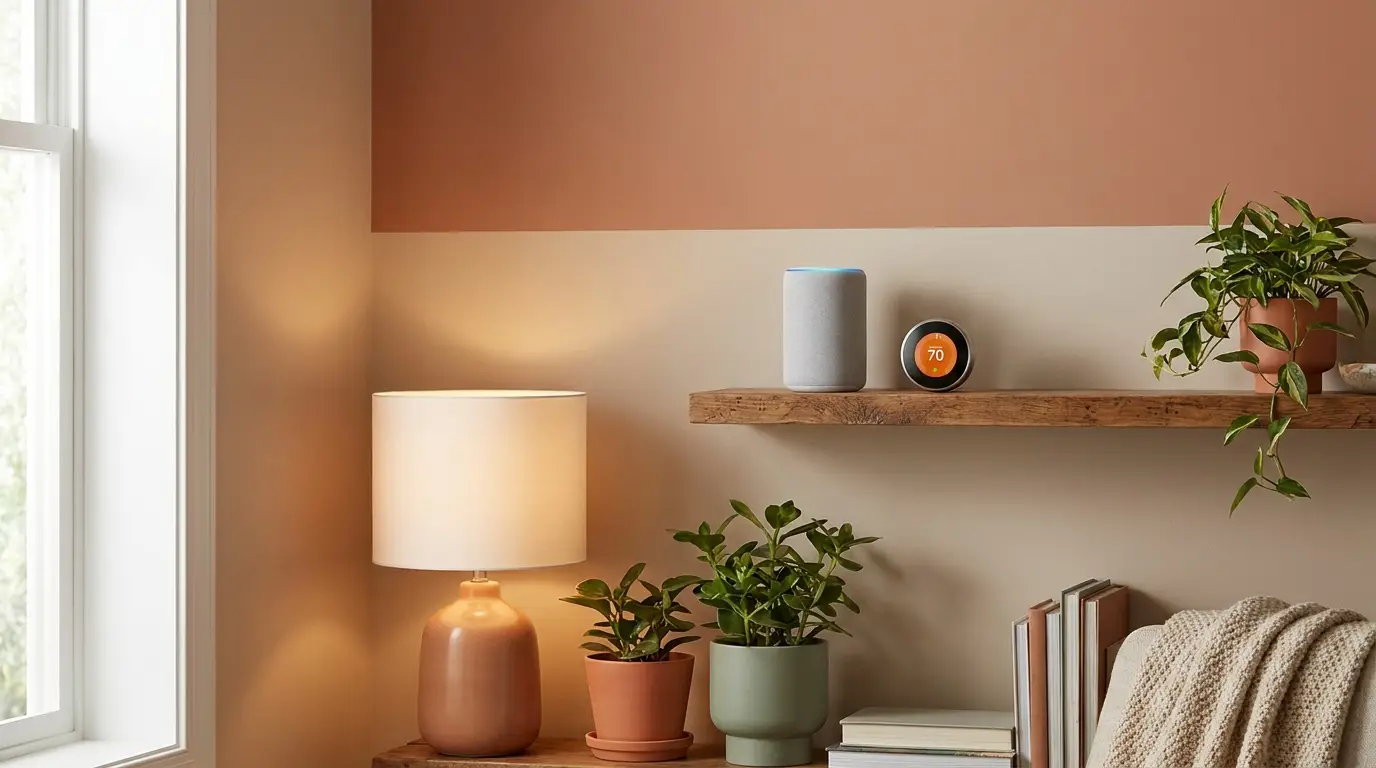
Consider adding a smart thermostat if your heater supports it. This lets you program heating schedules, so you're not warming an empty porch. Some models, like the ecobee SmartThermostat, offer remote control via smartphone, letting you adjust settings from anywhere. This prevents unnecessary heating, saving you money.
Consider Heater Type and Upgrades
Not all porch heaters are created equal. The type of heater you use significantly affects efficiency. If you're still using an older, inefficient model, an upgrade might be a smart investment.
Radiant heaters (infrared) are generally more efficient for open or semi-enclosed porches because they heat objects and people directly, rather than the air. These don't waste energy trying to warm a large volume of constantly escaping air. Brands like Dr. Infrared Heater or Heat Storm offer models with 1,500-watt output that can heat a 200 sq. Ft. Area for about $0.20 per hour. Convection heaters, which warm the air, are better suited for fully enclosed and well-insulated spaces.
If your current heater is more than 8-10 years old, it's likely less efficient than newer models. Modern heaters often include features like ceramic heating elements, multiple power settings, and better thermostats, which can reduce energy consumption by up to 30%. For example, an upgrade from a 10-year-old 1,500W coil heater to a new 1,500W infrared model could save you $30-$50 per month during cold weather, depending on usage. While the initial cost of a new heater might be $100-$300, the energy savings often pay for themselves within two heating seasons.
FAQ
How much can I save by improving my porch heater's efficiency?
You can realistically cut your heating costs by 15% to 30%. Many homeowners report saving $50 to $150 per month on their utility bills during peak heating seasons by implementing insulation and proper maintenance. That's a lot of money.
What's the most effective way to improve porch heater performance?
Sealing drafts and adding proper insulation are the most effective steps. Sealing air leaks alone can reduce heating demand by 10% to 20% in many homes. It makes a big difference.
Should I upgrade my old porch heater?
Yes, if your heater is over 8 years old, an upgrade is often worthwhile. Newer models, especially infrared heaters like the Dr. Infrared DR-968, can be 20% to 30% more energy-efficient than older convection models, providing better heat for less power. You'll see the savings quickly.
How often should I clean my porch heater?
Clean your porch heater's reflectors and vents every 2-4 weeks during the heating season. Dust accumulation reduces efficiency by 5% to 10%. This simple task ensures consistent heat output.