Quick answer: The right glue depends on your materials. For wood, use wood glue (Titebond II or III). For plastics, cyanoacrylate (super glue) or specialized plastic cement works best. Fabric needs a flexible fabric adhesive, and metal often requires epoxy. Matching the adhesive to the substrate ensures a bond that holds, preventing project failure and saving time.
Selecting the correct adhesive is a critical step in any DIY craft project. Using the wrong type of glue can lead to weak bonds, project failure, and wasted materials. You'll want an adhesive that not only holds your pieces together but also withstands the conditions your finished item will face, whether that's moisture, heat, or stress. Don't guess.
Understanding Glue Types and Their Uses
Different glues offer specific properties suited for various materials and applications. For instance, you wouldn't use wood glue to bond metal, just as you wouldn't typically use super glue for large fabric projects. Each adhesive has a chemical composition designed for particular substrates. Choosing correctly can increase your project's lifespan by 50% or more.
Wood Glues
Wood glues, primarily polyvinyl acetate (PVA) based, are excellent for porous materials like wood. They penetrate wood fibers deeply, creating a bond often stronger than the wood itself. Titebond II Premium Wood Glue, for example, offers a bond strength of up to 3,700 psi and is water-resistant, making it suitable for outdoor furniture. For projects requiring high water resistance or longer open times, Titebond III Ultimate Wood Glue provides a 4,000 psi bond and is waterproof. These glues typically dry clear or a light tan, and you'll usually need clamps for 30 minutes to an hour for best curing.
Fabric Glues
Fabric glues are designed to remain flexible after drying, preventing stiffness and cracking that can occur with other adhesives. Aleene's Fabric Fusion is a popular choice, offering a permanent bond that's machine washable and dryable. It's often used for appliqué, hemming, and attaching embellishments. These glues dry clear, and you can expect a full cure in 24-72 hours. For small repairs or temporary holds, a fabric adhesive pen can be useful.
Plastic Adhesives
Plastics are tricky because there are so many types. For general plastics like ABS, PVC, and acrylic, cyanoacrylate (super glue) often works well, creating a quick, strong bond in seconds. Loctite Super Glue Gel Control is a good option; it won't run. For polystyrene models, specialized plastic cements (like Testors Cement for Plastics) actually melt the plastic surfaces together, creating a weld. This is a very strong bond. However, for polyethylenes and polypropylenes, which are notoriously difficult to bond, you'll need a specialized plastic bonder system, often with a primer, like Loctite Plastics Bonding System.
Metal Adhesives
Epoxy is the king for bonding most metals. It's a two-part adhesive (resin and hardener) that, when mixed, creates an incredibly strong and durable bond. J-B Weld Original is a classic example, curing to a steel-hard finish with a tensile strength of 5,020 psi. It's resistant to water, chemicals, and extreme temperatures. It typically takes 4-6 hours to set and 15-24 hours to fully cure. For smaller, less demanding metal projects, super glue can also work, but it won't offer the same long-term strength or gap-filling capabilities.
Matching Glue to Your Materials and Project Needs
The key to a successful project isn't just knowing the glue types, but also understanding how they interact with specific materials and what conditions your finished piece will face. Think about the environment. Will it be exposed to water or high temperatures?
Material Porosity
Porous materials (wood, paper, fabric) absorb glue, allowing for strong mechanical bonds. Non-porous materials (metal, glass, some plastics) require glues that chemically adhere to the surface or create a strong physical bond without absorption. For example, wood glue works by soaking into wood fibers, creating a powerful connection. Conversely, if you're working with glass, you'll need a glue like E6000 Craft Adhesive that cures on the surface and stays flexible, accommodating slight movements without cracking.
Project Conditions
Consider where your finished project will reside. A wooden birdhouse exposed to rain needs a waterproof wood glue like Titebond III. An indoor decorative item might be fine with a less resilient PVA glue. For items that will experience high heat, such as a repair near a stove, a high-temperature epoxy or silicone adhesive is a better choice. For outdoor electrical sealing, you might want to look into a beginner's guide to caulking and sealing at home for appropriate products.
Drying and Curing Times
Drying time refers to how long it takes for the glue to set enough to handle the item without shifting. Curing time is when the glue reaches its full strength. Some glues, like super glue, set in seconds. Others, such as epoxy, can take 24 hours or more to fully cure. Plan your project around these times. If you need a quick bond for small parts, super glue is ideal. For larger assemblies requiring precise alignment, a glue with a longer open time, like some wood glues (10-15 minutes), gives you more flexibility.
Common Mistakes and How to Avoid Them
Even with the right glue, application errors can compromise your project's integrity. It's not just about what glue you use; it's also about how you use it. Many DIY failures stem from preventable missteps during the bonding process.
Using Too Much or Too Little Glue
Applying too much glue can lead to messy squeeze-out, longer drying times, and weaker bonds if the excess prevents proper curing. Too little glue means inadequate coverage, resulting in a weak or incomplete bond. The goal is even coverage. For wood, a thin, even bead along one surface is usually sufficient. For fabric, a thin layer spread with a brush or spatula often works best. Don't assume more glue equals more strength. Sometimes, less is more.
Improper Surface Preparation
Clean surfaces are essential for strong adhesion. Dust, grease, oil, or old glue residue can prevent new glue from bonding effectively. Always clean your surfaces thoroughly with appropriate cleaners (e.g., rubbing alcohol for plastics and metals, or a damp cloth for wood) and let them dry completely before applying glue. Roughening smooth surfaces slightly with fine-grit sandpaper (120-220 grit) can also create better "tooth" for the glue to grip, improving bond strength by 25%.
Not Clamping or Holding Properly
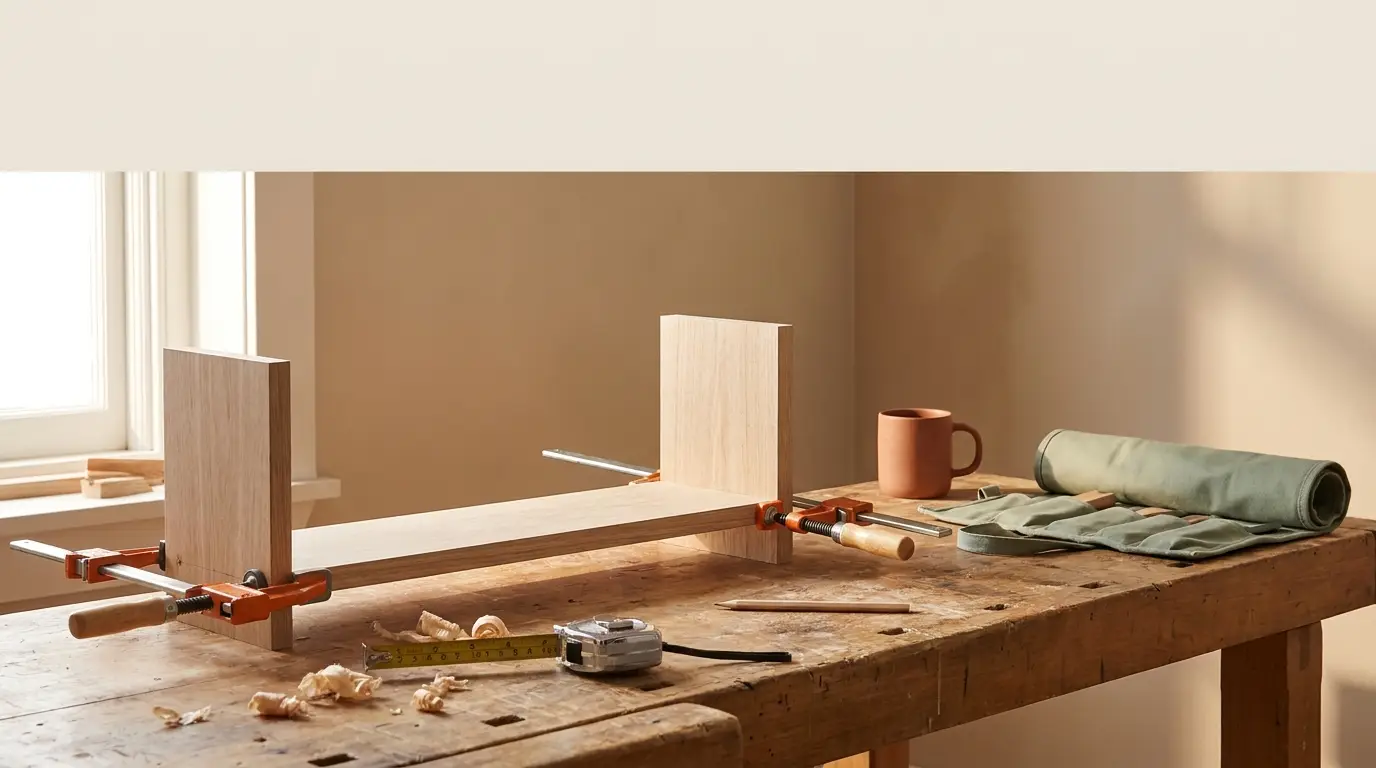
Many glues require pressure during their drying or setting phase to achieve maximum bond strength. Clamps, tape, or even simply holding the pieces firmly together for the recommended time can make a significant difference. Without proper pressure, gaps can form, and the bond will be weaker. For instance, wood joints generally need 200-300 psi of clamping pressure for best strength. This is especially true for projects that require precise alignment, like building a small shelf or repairing a broken ceramic item.
When to Call a Pro or Replace the Item
Sometimes, a DIY repair isn't the best option, or the damage is beyond what a simple adhesive can fix. Knowing when to stop and seek professional help can save you time, money, and frustration. For example, if you're dealing with complex electrical repairs, it's always best to consult someone familiar with basic electrical wiring.
If a structural component is broken (e.g., a load-bearing wooden beam or a critical metal part in machinery), glues may not provide the necessary strength or safety. In these cases, welding, professional carpentry, or replacement of the component is usually required. Don't risk injury or further damage by attempting an inadequate repair on something that needs specialized attention. If the repair cost exceeds 70% of the replacement cost, replace it.
FAQ
What's the best all-purpose glue for general DIY?
For general DIY, Titebond III Ultimate Wood Glue offers strong bonds for wood, fabric, and some plastics, with a 4,000 psi strength. It's waterproof and sets in about 45 minutes, making it highly versatile. It's a great choice for many home projects.
Can I use super glue on fabric?
You can use super glue (cyanoacrylate) on fabric, but it's not ideal. It creates a rigid bond that can crack and yellow over time, especially with repeated washing. Fabric glues, like Aleene's Fabric Fusion, provide a flexible, durable bond that withstands washing better, typically lasting through 50+ wash cycles without degradation.
How do I remove excess glue from my project?
Removing excess glue depends on the type. For PVA glues (like wood glue), wipe it off immediately with a damp cloth before it dries. For super glue, acetone (nail polish remover) can dissolve it, but test a small area first, as it can damage some plastics. Epoxy needs to be scraped or sanded once cured, or dissolved with specialized removers if still soft.